Hotel Jobs in Dubai for Indians – Apply Online | Hospitality Careers Abroad

Imagine a time when nursing was seen as a humble task, often undervalued in the grand scheme of healthcare. In the 19th century, Florence Nightingale transformed this perception, introducing a revolutionary approach that laid the groundwork for modern nursing. Her emphasis on sanitation, patient care, and the use of statistics to improve healthcare outcomes was groundbreaking. This transformation is a testament to the evolution of nursing, a journey we continue today as we delve into its fundamentals.
Nursing, a profession rooted in compassion and skill, plays a pivotal role in healthcare. In this blog, we will explore the fundamentals of nursing, focusing on the core principles that form the foundation of this noble profession. From the historical evolution to the intricacies of care planning and skill development, this post aims to provide a comprehensive understanding of what nursing entails


The journey of nursing, especially in the UK, is a story of transformation and resilience. Tracing back to Florence Nightingale’s era, the ‘Lady with the Lamp’ brought scientific and compassionate care practices into a field once considered menial. Her legacy, particularly her role in the Crimean War, set the stage for modern nursing, emphasizing the importance of hygiene, patient comfort, and meticulous record-keeping.

Post-Nightingale, the emergence of formal nursing education played a significant role in shaping the profession. The UK’s nursing history saw the establishment of nursing schools and the standardization of training, ensuring that nurses were equipped with both theoretical knowledge and practical skills. This evolution marked the transition from an experience-based practice to an evidence-based profession, aligning nursing with the broader scientific advancements in healthcare.

Modern nursing incorporates a blend of traditional care values and cutting-edge medical practices. The role of nurses has expanded beyond bedside care to encompass public health, research, and policy-making, reflecting the profession’s increasing complexity and significance in the healthcare system.
A good nurse is someone who brings the best qualities to a healthcare team and uses them to promote positive patient outcomes and strengthen the nursing profession. Good nurses are conscientious about the care they offer and try to solve problems that affect their patients, healthcare teams, and organizations.

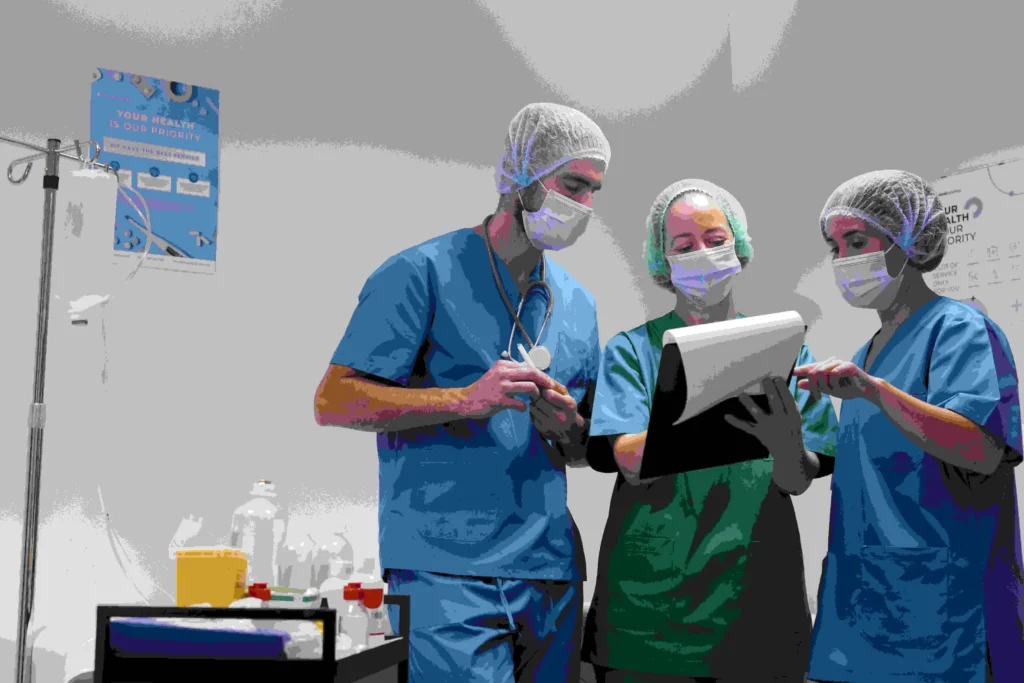
The nurse uses clinical skills and evidence based knowledge to assess the resident's needs throughout the day.
A registered nurse is a nurse who has graduated a nursing program from a recognized nursing school and met the requirements outlined by the authorized licensing body to obtain a nursing license.

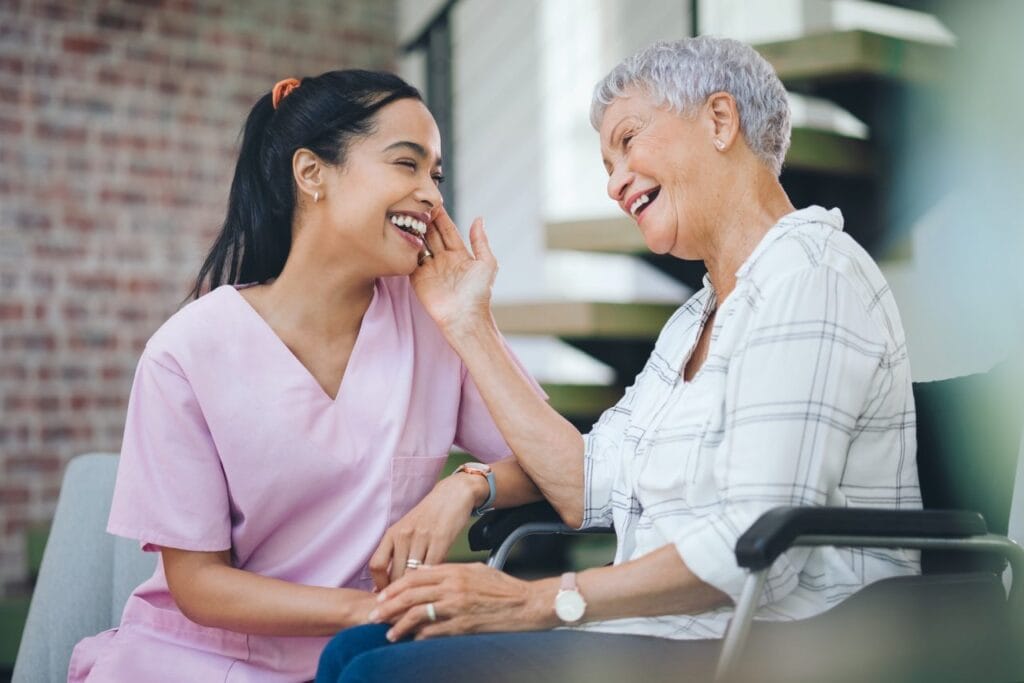
Home care nurses provide care to patients in their homes under the guidance of a physician.

Due to the aging population and rise in maternal mortality rates, many European countries, including Germany, have a massive shortage of nurses. One such country where the demand for nursing jobs increases every year is Germany. The scope of nurse in Germany is expanding every year.
The German government has been working towards resolving this issue by organizing awareness programs and creating awareness among prospective candidates about available opportunities.
Germany is a great place to work as a nurse because of the public health care system. The social health care system covers the entire population. Nurses in Germany are in demand, and the country has a good tradition of nursing. Nurses in Germany also enjoy high social standing. Germany is one of the wealthiest countries in Europe with an excellent healthcare system, so there are many opportunities for nurses to work in various positions. The salary is good, and the professional prospects are promising.
Germany has a shortage of nurses, which means that nurses have more opportunities to progress in their careers faster. The wages are good, the culture is welcoming, and the working conditions are the best in the World. This is because there are many vacant posts but not enough people to fill them.


Nursing in Germany is provided by different levels of professional and specialized practitioners. German-registered nurses are called Gesundheits- und Krankenpfleger (health- and sickness carer)

Nursing Ausbildung in Germany is a three-year program that combines classroom instruction and practical training. It's a straightforward program that qualifies students for the nursing licensing exam after three years of on-the-job learning